
How your calorie target is calculated (and why it keeps moving)
The number on your dashboard isn't a guess or a round figure. Here's the equation behind it, the size of the deficit, and why it drops again as you do.
Training
View all →
Why your step target climbs every single week
10,000 is a floor, not a finish line. The reason a fixed step goal quietly stops working by week three — and why the ladder goes up instead.

Zone 2: the quiet fat-burner most programs ignore
The unsexy conversational-pace cardio that endurance athletes build their engines on is also the highest-leverage tool you're not using.
How to pick your starting weights (the rule of two)
No percentages, no calculators. One rule tells you exactly what to load on every exercise — and workout one is calibration, not performance.

'Training done': what counts, and what quietly doesn't
The most abused checkbox in the program. What actually earns the tick, what to do on a day you can't finish, and why partial credit is corrosive.

10,000 steps: the metabolism's floor
Your workout burns less than you think. Your steps decide more than you know. Why walking is the biggest lever on the burn side of fat loss.

Steps vs cardio: which one actually burns the fat?
A hard 22-minute session buys you a couple of hundred calories. The way you spend the other 23 hours can swing several times that. Here's why the program treats them as different jobs.

The three phases explained: IGNITE, ACCELERATE, PEAK
Three ten-day blocks, each with a different job. What each one is trying to do to your body, and why volume climbs and rest falls on a schedule rather than on feel.

Periodization, and why your last program didn't have it
Same workout, more effort — the default plan for most people, and it stops producing inside three weeks. Linear versus undulating, in plain English, and how a 30-day block gets planned.

Lower Body Power: the highest-value session in the program
It opens every week of the plan for a reason. The three patterns it's built from, what it actually costs you, and why the hormone story you've read about it is the least interesting part.

Upper Push + Shoulders: the anatomy of the session
Four muscle groups, four jobs, and two substitutions that quietly collapse the whole session onto one overworked front delt. Here's what each exercise is actually for.

Upper Pull + Arms: why pulling volume fixes how you stand
The program runs pull volume at least equal to push, and by day 30 the pulling is what will have changed your silhouette most. What each movement targets, and what back training can and can't do for posture.

The Full-Body Burner: circuit training's real fat-loss case
A circuit is density, not magic. What it genuinely adds over straight sets in a deficit, and the single mistake that turns it into cardio that trains nothing.

HIIT Engine: 30 on, 45 off — why exactly those numbers
The rest period is the dose, in the same way the weight on the bar is. What each work-to-rest ratio actually trains, and why 1:1.5 is the right trade inside a deficit.

HIIT vs steady-state for fat loss: what the evidence actually says
Matched for calories, the difference is small. Matched for time, it isn't. Where the afterburn story got oversold, and why the plan runs both anyway.

Progressive overload in 30 days without getting hurt
Adding weight is one lever out of five, and in a deficit it's rarely the first one to pull. The sensible weekly increments for upper and lower body, and what a flat week actually means.

RPE and the rule of two: how hard is hard enough?
'The last two reps should be genuinely difficult' is RPE 8, and most people are nowhere near it. How to translate the rule, calibrate it, and self-regulate on a day everything feels heavy.

Rest periods: why they shrink as the phases climb
Rest is a prescription, not a pause. What the evidence says for strength, size and density — and the deliberate trade the plan makes when rest drops in ACCELERATE and PEAK.

Beginner, Intermediate or Advanced: which level should you pick?
Most people choose the level that matches their self-image rather than their training history. Here's the three-question audit, and why one level down finishes more often.

The four-minute warm-up that actually prevents injury
Four phases, four minutes, no floor stretching. What a warm-up is for, why holding a long stretch before a heavy set is the wrong tool, and the exact sequence for each session type.

No gym? The full dumbbell-and-bodyweight substitution table
Every machine and barbell lift in the program mapped to a dumbbell, band or bodyweight version at the same stimulus. Match the pattern, not the equipment.

Squat form: the five faults that cost you reps
Knee cave, heel lift, butt wink, forward collapse, shallow depth. What causes each one, the single cue that fixes it, and how to tell when it's mobility rather than technique.

The hinge: bracing, bar path and the flat-back myth
Neutral spine is a range, not a position. How to brace, where the bar actually travels, and the three-step check to run before every working set.

Push-up progressions and regressions for every level
A nine-step ladder from a wall push-up to a deficit rep, with the rep target that tells you when to move up. One exercise, thirty days of progression.

The core block: plank, hollow hold, bicycle — and why it's last
Three exercises, four rounds, five minutes at the end of the session. What each one trains, why training the trunk late doesn't cost you anything, and how to progress a hold.

Can you actually build muscle in a calorie deficit?
Yes, conditionally — and the conditions are the ones the program already enforces. Who gets the most of it, who gets the least, and what to aim for instead if you're in the second group.

How to keep your strength while cutting
Keep intensity, trim volume, protect the big lifts. What to realistically expect on the bar in weeks three and four, and the drop that means you've cut too hard.

Bike, rower, sprint or burpees? Choosing one HIIT modality
The plan says pick one and keep it for 30 days. Here's the joint-load and skill comparison behind that instruction, and which option suits which starting point.

Morning or evening: does training time actually matter?
The performance difference between 7am and 7pm is small. The difference in how often you actually turn up is not. Pick one slot for 30 days and stop renegotiating it.

The Finale: how to run Day 30
The last session isn't a ceremony and it isn't a max-out. Here's how to attack the final circuit, when to shoot the photos, and the two numbers to write down before you close the program.

The two-column training log that beats any app
Load and reps. Nothing else. Writing the number down is the cheapest training habit there is, and it's the only way progressive overload stops being a slogan.

Why there are no ab days (and abs still show up)
Training a muscle doesn't strip the fat sitting on top of it. What reveals a midsection, and the job the core block is actually doing.

Interval training without thinking: using the workout timer
Thirty seconds on, forty-five off, and no decisions left to make. Plus the two cues that tell you the effort was genuinely a nine out of ten and not a seven you enjoyed.

Form videos: how to use them without stalling your session
Watch before the session, not between sets. A 60-second protocol for learning a movement, and why you should carry exactly one cue to the bar.

What 'Intensity ▮▮▮' means and how to self-regulate it
Three bars, mapped to RPE, heart rate and the talk test — so you can calibrate any session in the plan without a chest strap or a single percentage calculation.

SHRED30 over 40: what changes and what doesn't
Recovery capacity and joint tolerance change. The deficit, the protein target and the need to lift heavy things do not. Which variables to adjust and which to leave alone.

Women on SHRED30: cycle, water weight and the strength myth
A predictable multi-pound swing that has nothing to do with fat, a protein target that doesn't shrink because you're smaller, and why heavy lifting won't make you bulky.

Travel week: running the program from a hotel room
A bodyweight substitution for every session type, a default airport and room-service order, and the two Daily Six targets that quietly decide how the week goes.
Nutrition
View all →
1g per pound of goal weight: where your protein number comes from
Not a bro-science round number. Here's the evidence range it sits in, why it's anchored to goal weight, and what happens at the top and bottom of it.

The first week: why the scale drops fast (and what it actually means)
Five pounds in five days isn't fat — and it isn't fake either. What the week-one whoosh really is, and how to use it without being fooled by it.

3.5 litres: the hydration target, decoded
Where the number comes from, what counts toward it, and why the first week of a cut makes you thirstier than you expect.

Protein first: the one rule that makes cutting easy
Hit one gram per pound of goal weight and eat it before anything else on the plate. Most of what's hard about dieting quietly disappears.

The plateau playbook: what to do when the scale stalls
Four flat days isn't failure — it's physics with a delay. The exact order of moves that breaks a stall without wrecking the rest of the program.

Hidden calories: the 300 a day you're not counting
Oil, dressing, the two forkfuls while cooking, the milk in four coffees. None of it feels like eating. All of it lands, and it's usually the entire reason a good week reads flat.

Why there are no liquid calories for 30 days
Calories you drink barely register as food. That makes them the cheapest thing in your diet to delete — and for most people it's a few hundred a day for no loss of satisfaction.

Coffee, tea and zero-sugar drinks: what's actually allowed
The full permitted list, a sensible ceiling on caffeine, where diet drinks currently sit in the evidence, and the two health-aisle drinks that break the rule without anyone noticing.

Your targets shrink as you do — here's that math
Lose ten pounds and your maintenance drops by roughly 50 to 100 calories a day. Do nothing about it and week three stalls while you're still doing everything right.

The swap table, explained: why any-for-any works
Category swapping only works if each row holds one variable constant. Here's what's controlled in each row, and the single rule that makes every swap legal.

Palm, fist and thumb: portions without a food scale
Your hand scales with your body, which makes it a surprisingly good portion tool. Here's how accurate it really is, and the two foods you should still weigh.
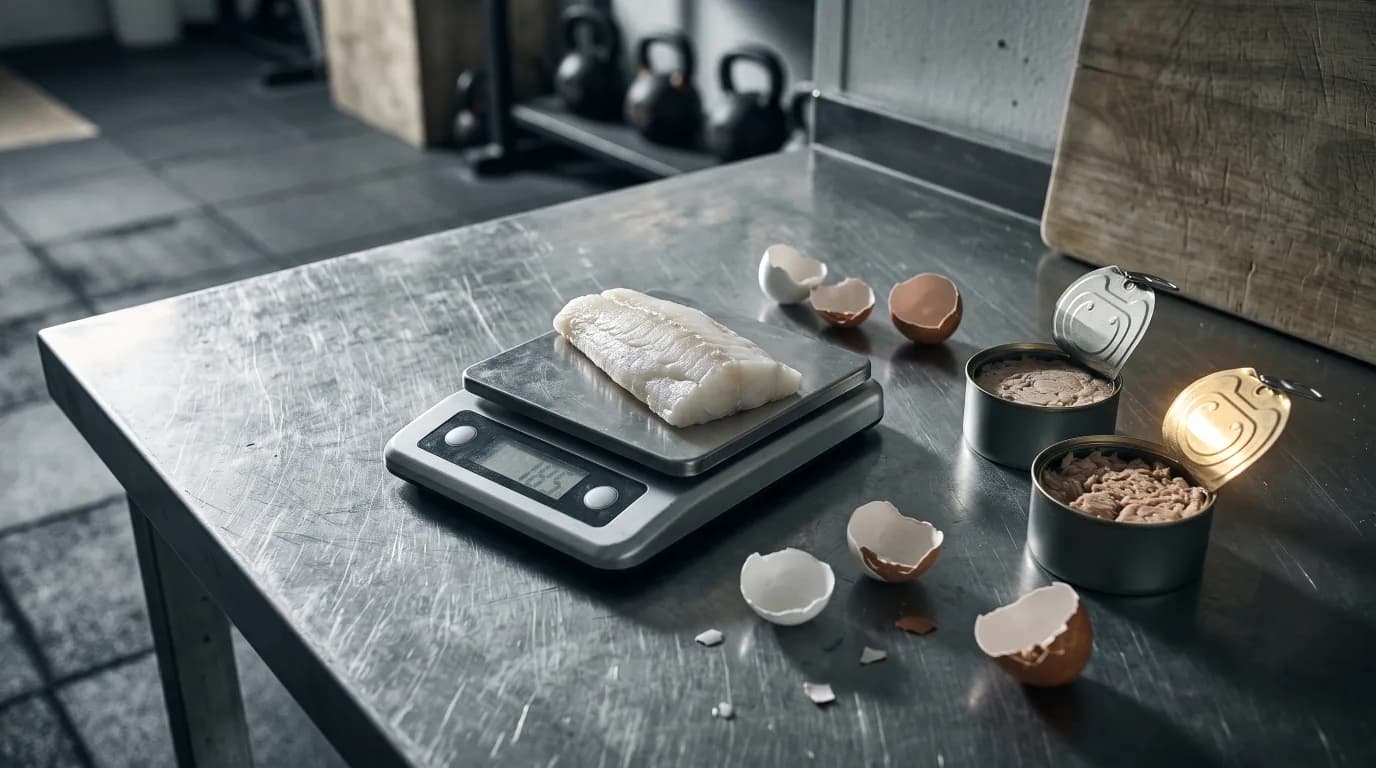
Protein sources ranked by grams per 100 calories
The only ranking that matters on a cut is protein per calorie, not protein per serving. Here's the swap-table list sorted by it, and what the top band actually buys you.

Chicken, beef or salmon: does the protein source matter?
Leucine, digestibility and the fat riding along. Three places the source genuinely changes the result, and the much larger area where it's noise once the daily total is hit.

Greek yogurt, cottage cheese and casein: the dairy protein tier list
Ranked on protein per 100 calories, satiety, digestion speed and cost — plus which of the three earns the late-evening slot and which one you should stop buying full-fat.

Whey protein: what it is, when to use it, what to buy
Concentrate, isolate or hydrolysate, what third-party testing certifies, and the honest case — whey is a convenience tool, not a fat-loss supplement.
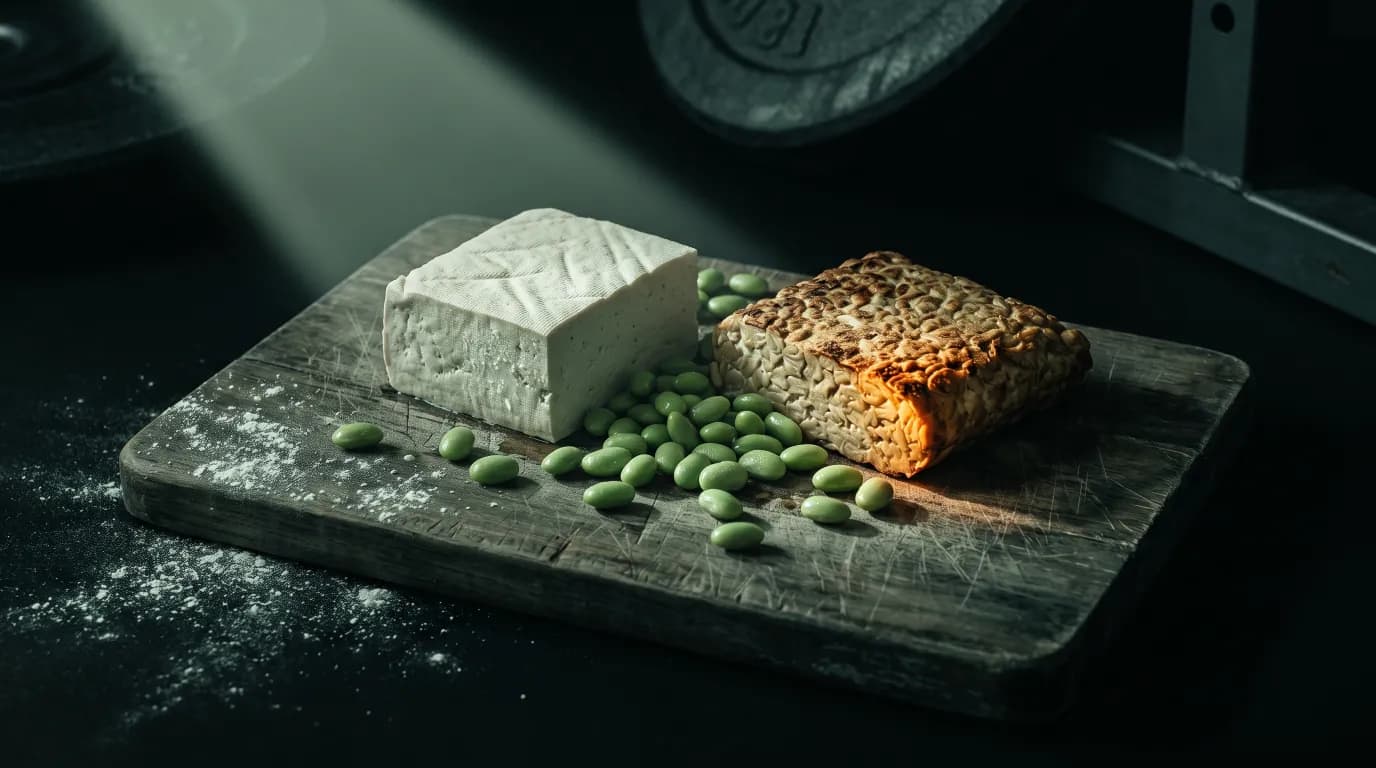
Plant-based on SHRED30: hitting 150g without meat
A parallel swap table for tofu, tempeh, seitan and legumes — plus the two adjustments, one to total intake and one to meal spacing, that make a plant-based cut work.

Carbs near training: the timing rule that isn't a myth
Total intake decides your fat loss. Placement decides whether the fourth interval feels possible. What 'keep the carbs near training' means in practice, and what it can't do.
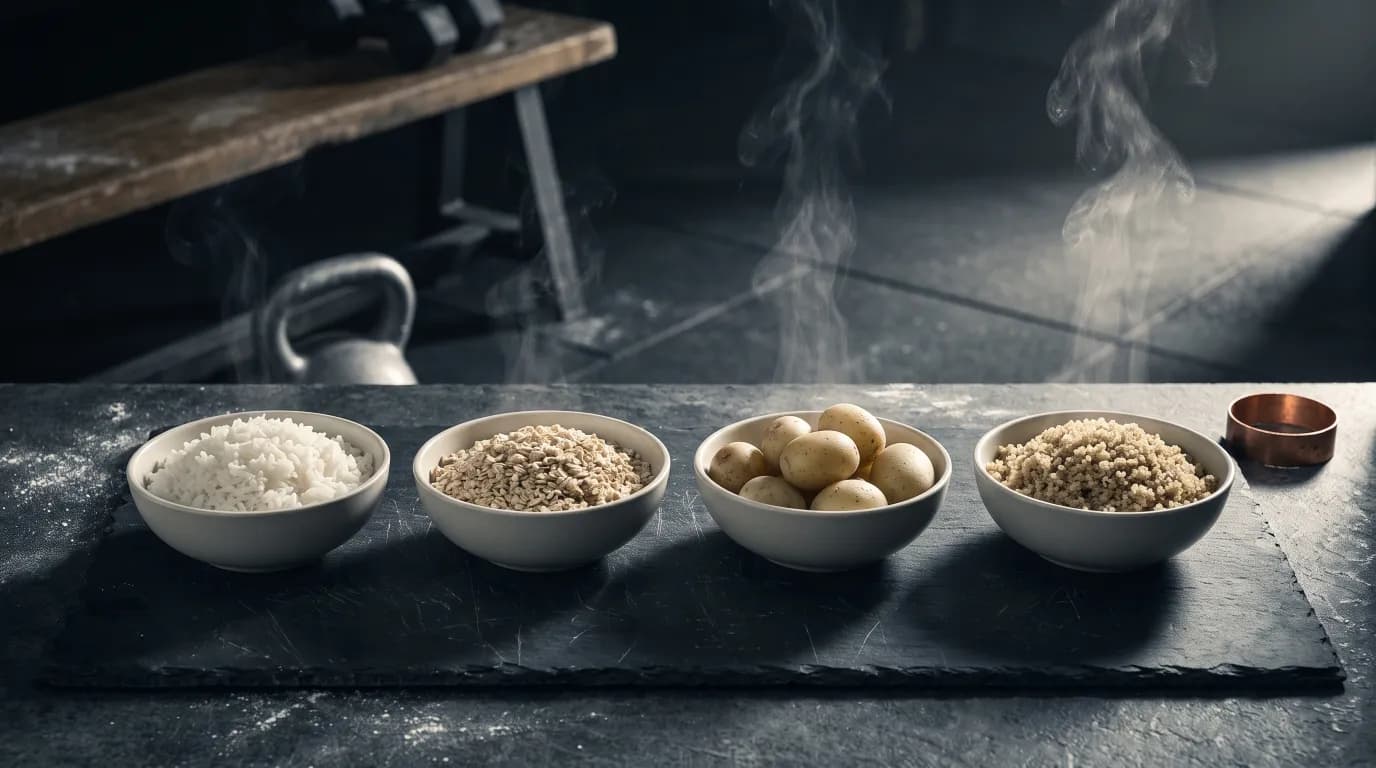
Rice, oats, potato, quinoa: the carb swap cheat sheet
Cooked-weight equivalents for every carb in the swap table, plus the fibre and water content that decides which ones keep you full at the same calorie number.

Why fats are measured and vegetables never are
A tablespoon of olive oil costs the same calories as roughly three and a half heads' worth of broccoli. That ratio is the entire reason one column has portions and the other doesn't.

Fibre: the target nobody set for you
Around 14 grams per 1,000 calories, and a high-protein deficit is the easiest place in nutrition to fall short of it. The swap-table foods that fix it for almost no calories.

Vegetables are the off-switch: the volume-eating principle
People eat a fairly consistent weight of food each day, not a consistent number of calories. Five meal templates that use that fact instead of fighting it.

The weekly grocery run: one trolley, seven days, six targets
Buy for the protein number and the meals arrange themselves. Here is the full list in aisle order, with quantities for one person for seven days.

Meal prep in 90 minutes: the batch-cook blueprint
Three proteins, two carbohydrates, one sauce, one oven. The exact running order, what keeps how long, and the food-safety limits that decide what you freeze.

The emergency kit: jerky, tuna, bars — what to actually buy
What belongs in the desk drawer and the glovebox, judged on one number: grams of protein per 100 calories. Most protein bars fail it badly.
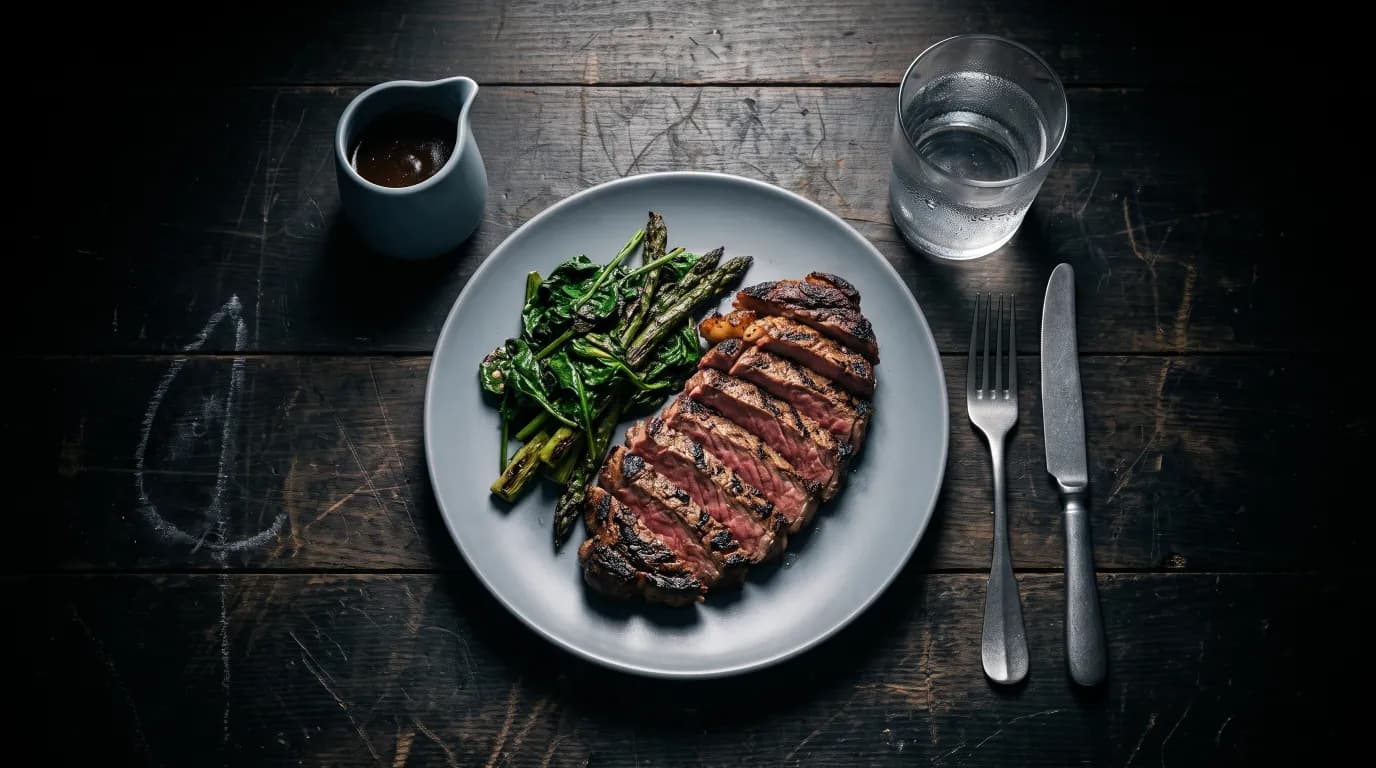
Eating out: the restaurant play for every cuisine
Double the protein, halve the starch, sauce on the side. Three rules, applied concretely to Italian, Indian, Chinese, Mexican, pub, sushi and steakhouse menus.

Alcohol on a 30-day cut: the honest cost
Seven calories a gram is the smallest part of the problem. Here is what drinking does to fat oxidation, sleep and the food that follows — and the harm-reduction plan if you are not abstaining.

Breakfast: does it matter, and what should it be?
The trials that assigned breakfast rather than observing it found very little. The program still front-loads protein at breakfast, for a reason that has nothing to do with metabolism.

Meal timing and intermittent fasting: do they beat the deficit?
When calories and protein are matched, fasting protocols perform about the same as ordinary dieting. What they are genuinely good at is something else entirely.
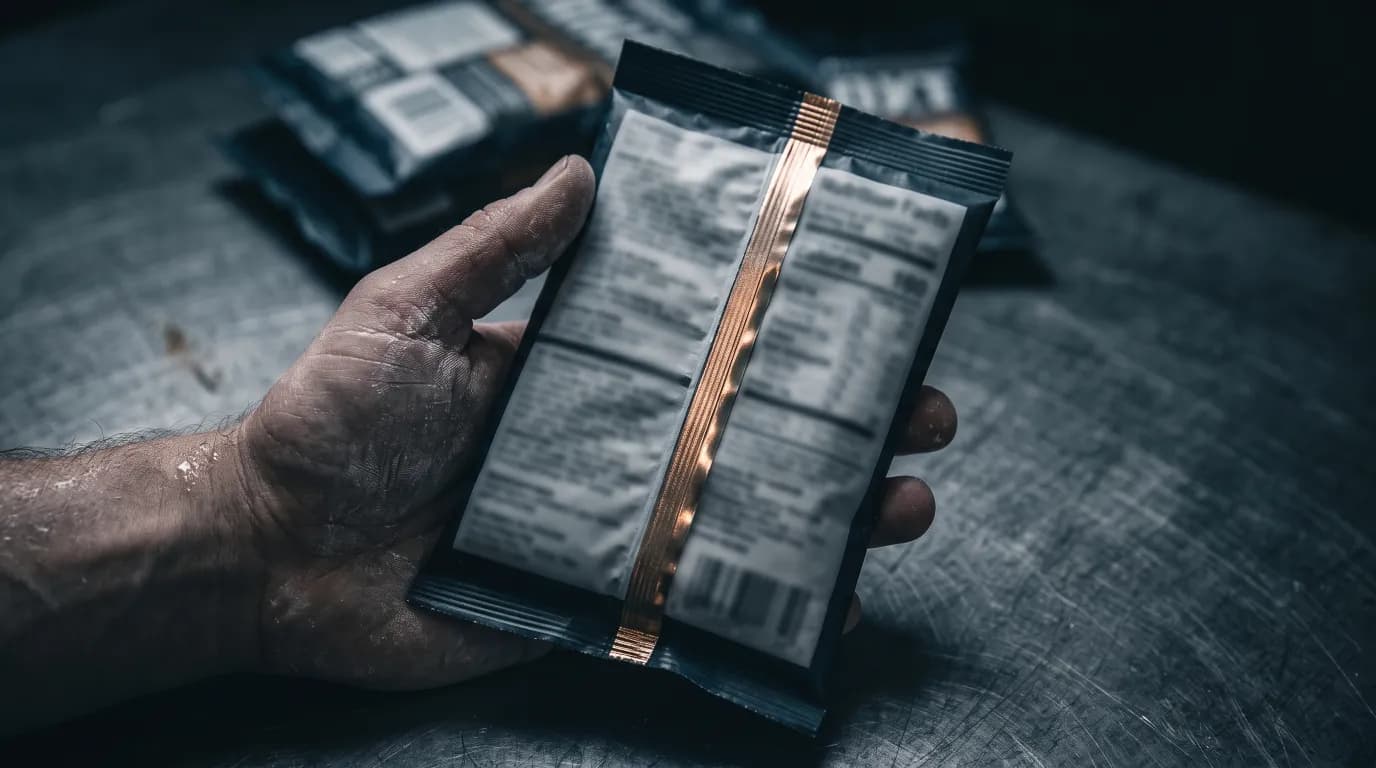
How to read a nutrition label in ten seconds
Four glances, one decision: serving size, protein per 100 calories, the sugar line and the order of the first three ingredients. Everything on the front is advertising.

Sodium, carbs and the two-pound overnight swing
Two pounds of fat is about seven thousand calories. You did not eat that at dinner. Here is what actually moved, how long it takes to clear, and why this is where week two ends for most people.

Cravings: the physiology and the four-move response
Habit cue, true hunger, or a protein shortfall — they feel identical and need different answers. A four-step ladder that resolves most of them inside ten minutes.

The refeed question: should you have a high-calorie day?
A refeed refills glycogen and buys you a better session. It does not reset your metabolism. Here's what one costs inside 30 days, and the single situation where the program says take it.

Cheat meals vs planned swaps: which survives a 30-day sprint
An unplanned cheat costs more than its calories — it costs three days of readable scale data and the next decision after it. The swap system gives you the same release with a known price.

Cooking oil is the most underestimated calorie in your kitchen
One level tablespoon is about 120 calories. Most people free-pour two without noticing. That habit alone is a third of a typical daily deficit, every day, for thirty days.

Coffee and caffeine as a training tool
The dose that has evidence behind it is 3 to 6 mg per kilogram, about an hour before you train. The cut-off that protects your sleep target matters more than the dose does.

Electrolytes: who actually needs them
The light-headed feeling in week one is usually sodium, not a detox. Here's what a deficit does to your electrolytes, and when a pinch of salt beats a forty-pound box of sachets.

Do you need a multivitamin at 1,500 calories?
Less food means less of everything in it. Four nutrients get tight first, all four have food fixes, and there is a narrow case where a basic multi is worth the two pounds a month.

Creatine: 5 grams, 2 lbs of water, and no, it's not a steroid
The most-studied legal supplement in sport does one small thing very reliably — and puts a couple of pounds of water on the scale in week one, which is why half of dieters quit it.

Fat burners, CLA and the supplement graveyard
An evidence audit of the category — thermogenics, CLA, raspberry ketone, garcinia, apple cider vinegar. Almost nothing survives, and two of them carry real risk.

Fruit on a cut: sugar, fructose and the myth
The fructose scare came from studies of soft drinks and isolated sugar, not from apples. Here's what fruit costs per portion, which choices buy the most food, and the one form that is a genuine trap.

Whole eggs vs egg whites: the cholesterol question, settled
The yolk holds the nutrients and four fifths of the calories. Current guidance has moved on from the old 300mg limit — here's what that means for the ratio your breakfast should use.
Mindset
View all →
Why 30 days is the perfect length for a transformation
Twelve-week plans fail in week three. A month is long enough to change your body and short enough that you never have to negotiate with yourself.
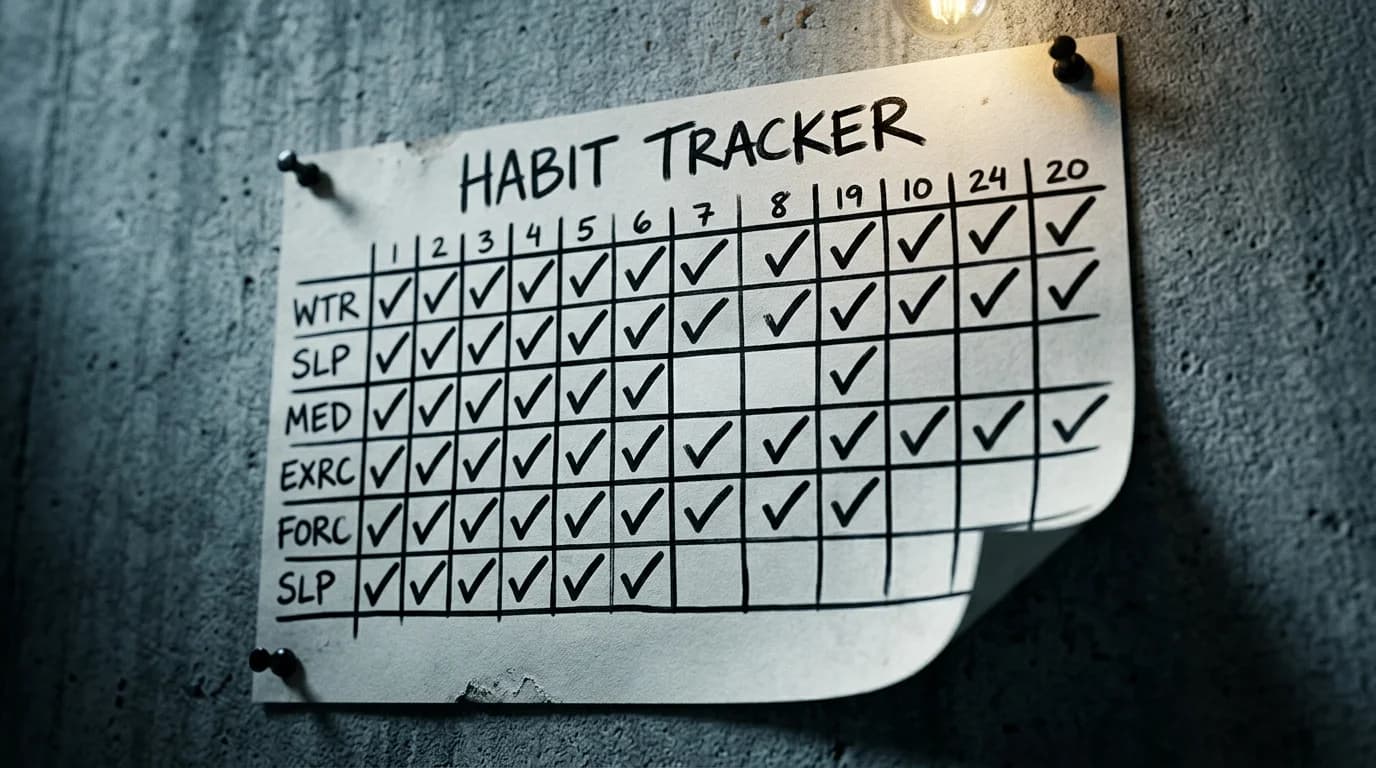
The compliance score: why 87% beats 100% then quitting
The percentage on your dashboard is the single best predictor of what day 30 looks like — and it isn't trying to get to 100.

What a streak actually does to your brain
Not motivation — architecture. How repetition builds automaticity, why 21 days is a myth, and what a 30-day streak really leaves behind.

How to weigh yourself so the number means something
Same time, same conditions, every day — and then ignore any individual reading. The protocol that turns a noisy number into usable data.

Reading your weight trend line (the seven-day average)
Three shapes mean 'keep going', one means 'audit', and one means 'wait'. How to read the chart on your progress page without panicking.

The four checkpoints: what to measure on days 1, 10, 20 and 30
A weight, four tape sites, three photo angles and two lift numbers, four times in thirty days. Here's the exact record to keep at each CHECKPOINT marker, and how to compare them without quietly moving the goalposts.

Photos beat the scale: how to actually track a transformation
The scale measures gravity, not progress. Four checkpoints, three angles, same light — the tracking system that never gaslights you.

After Day 30: how to keep the weight off for good
The program ends. The body is yours to keep — if you exit correctly. The reverse-out plan, the four habits that stay, and when to run it back.

The Daily Six, ranked by impact
All six targets matter. They don't matter equally. If a day falls apart and you can only rescue three, this is the order to rescue them in.

What to do when you miss a day
Don't double up, don't restart, don't try to earn it back. One missed day costs six ticks out of 180 — the damage is almost entirely in what people do next.
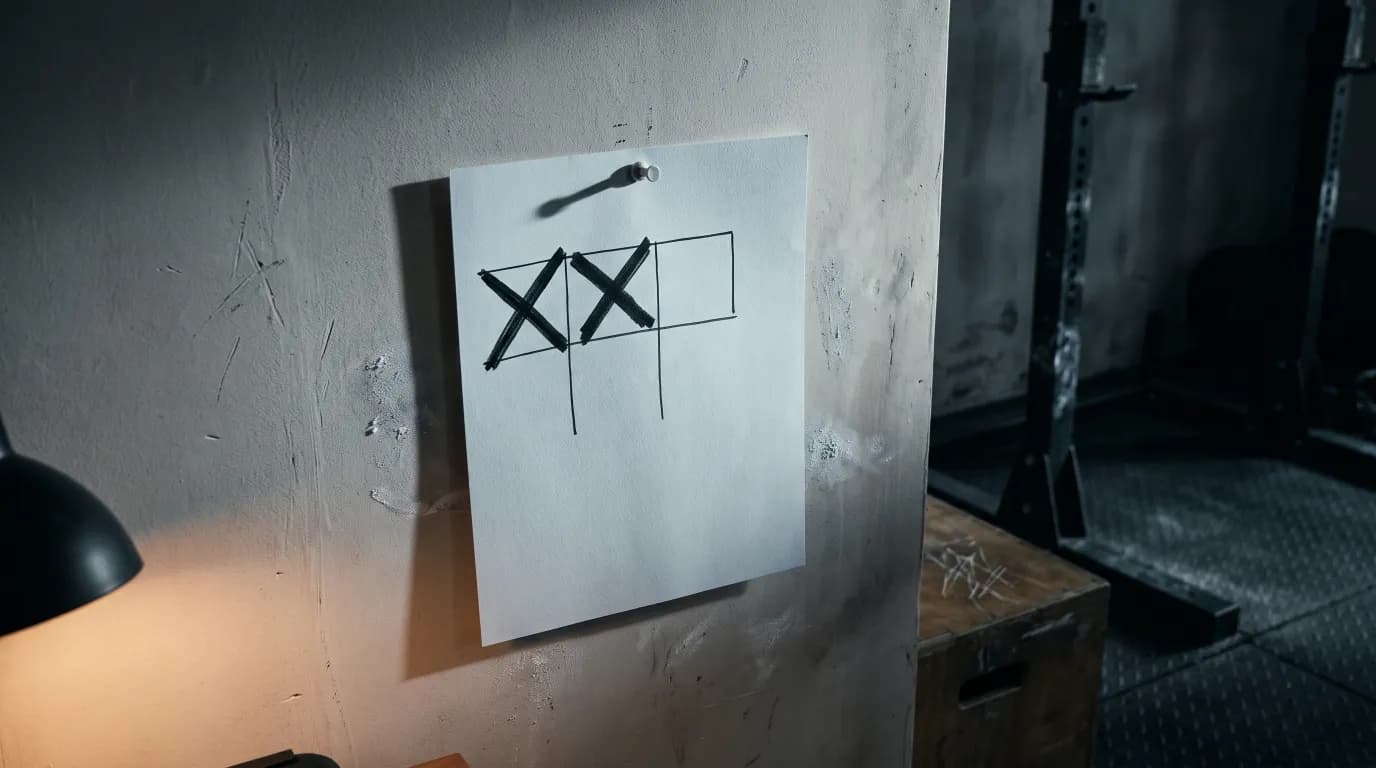
Day 3 is the hardest day. Here's why
The adrenaline of day one is gone, there's nothing visible to show for it yet, and your glycogen is halfway down. Four moves that get you to day four.

Decide once: removing food decisions for 30 days
The average day contains dozens of small food choices, and every open one is a chance to choose badly. The fixed plan doesn't out-argue them — it deletes them.

Telling people you're doing this (or not)
Announcing a goal is not the same as being accountable for it. Who is actually worth telling, what to say, and how to decline a drink without opening a negotiation.

All-or-nothing thinking is why the last plan failed
One unplanned meal costs you a fraction of a day. The story you tell yourself about that meal is what costs you the month. A two-sentence rule that stops the spiral.

The mirror lies for two weeks. The tape doesn't
You see yourself every day, which is exactly why you can't see the change. Four tape sites, a fixed protocol, and how to run the comparison at each checkpoint.
Recovery
View all →
Sleep is a fat-loss drug (and you're skipping the dose)
Short sleep changes what you lose, how hungry you are and how well you train — at exactly the same calories. It's the cheapest lever in the program.

Time in bed versus time asleep: your seven hours might be six
Sleep efficiency is the gap between when the light goes off and when you're actually asleep. For most people it's costing forty minutes a night.

Active Recovery days are training, not days off
Days 7, 14, 21 and 28 carry a 30-minute session for a reason. What it's actually for, what it definitely isn't for, and why skipping it costs more than skipping a lift.

Training when you're sore: the DOMS decision tree
Soreness is not damage and it isn't a scorecard. Four outcomes — train as written, reduce load, swap to recovery, stop — and the test that tells you which one you're in.

Cold, dark, silent: the bedroom protocol
You can't force yourself to fall asleep. You can remove the four things stopping you — and unlike every other sleep tip, this one is a single evening of work that then runs itself.

Caffeine after 2pm: the half-life argument
A 4pm coffee is still measurably in you at midnight. Here's the arithmetic behind the program's cut-off, and why the people it disrupts most are the ones who swear it doesn't affect them.

Screens 45 minutes before bed: what the evidence supports
Blue light is the part everyone talks about and the smallest part of the problem. The stimulation and the stolen hour are bigger — and they need a different rule.

Sleep debt: can you catch up at the weekend?
Partially. Recovery sleep buys back some of what you lost and leaves the rest outstanding — and the lie-in that pays it has a cost of its own on Monday.

The ten minutes of mobility that keep you training
Four joints limit almost every lift in the program. Here's the drill for each, where it goes in the session, and why general stretching isn't what you need.

Foam rolling: what it does and what it doesn't
Short-term range of motion and how sore you feel: genuine, repeatable, worth ten minutes. Releasing fascia and flushing toxins: not a thing. Here's how to spend the ten minutes.

Niggles vs injuries: when to push and when to stop
Most aches in a training program are green or amber, and stopping for them costs you the month. A small number are red. Here's how to tell them apart in the moment.

Low back pain and the hinge: the fix inside the program
Almost always the last two reps of a set you shouldn't have finished. Here's what goes wrong in a hinge, the two fixes that work, and the substitutions that keep lower-body days running.

Knee pain when squatting: causes and substitutions
Five things to change before you change the exercise — and four substitutions that keep the session's stimulus intact when you have to.

Shoulder health for pressing days
Pressing volume is what irritates shoulders, and the fix is mostly pulling. The ratio that protects them, the three drills before every push session, and the bench variables worth changing.

Stress, cortisol and stalled fat loss: signal vs noise
Cortisol holds water and rewrites your appetite. It does not, on its own, stop you losing fat. Here's the part that's real and the two levers worth pulling mid-program.

Training through a cold: the neck-check rule
Above the neck, below the neck, and fever. A three-way decision that takes ten seconds, plus how to re-enter the plan without trying to buy back the days you lost.
The Cut: Field Manual
The cornerstone guides from this blog, cut into one PDF — calories, protein, training, sleep, plateaus and the exit plan.
The science under the system
These articles apply the science. The study guides teach it properly — five free guides, from gym basics to Level 4 strength & conditioning, behind every rule in the program. No signup.
Everything a new gym-goer actually needs — machines, the big lifts, cardio, soreness and the myths, in ten topics with 160 questions.
Muscles, energy systems, the heart and lungs — how training changes the body, in eleven topics with 254 practice questions.
Energy balance, macros, hydration and supplements — the theory behind the fuel plan, in eleven topics with 220 practice questions.
The programming and client-skills core of the Level 3 diploma — consultation to business, in twelve topics with 204 practice questions.
The Level 4 performance layer — programming, power, speed and periodisation, in fourteen topics with 237 practice questions.
Stop reading. Start Day 1.
Every workout written, every meal templated, every number computed — the full 30-day system behind these articles.
Start for free →Day 1 is free.