Eating out: the restaurant play for every cuisine
Every food named in this article is an example, not an instruction — one way a person might choose to meet their targets. Swap anything for foods that fit your own needs, allergies, budget and beliefs. For advice specific to you, talk to a registered dietitian or your physician.
Eating out is not the thing that ends a cut. Eating out without a decision made before you sit down is.
The tactical tip on your dashboard puts it in six words — double protein, half the carb, sauce on the side. What follows is that rule translated into actual menus, because the general principle is useless at the moment the waiter is standing there.
The three rules, and why they work
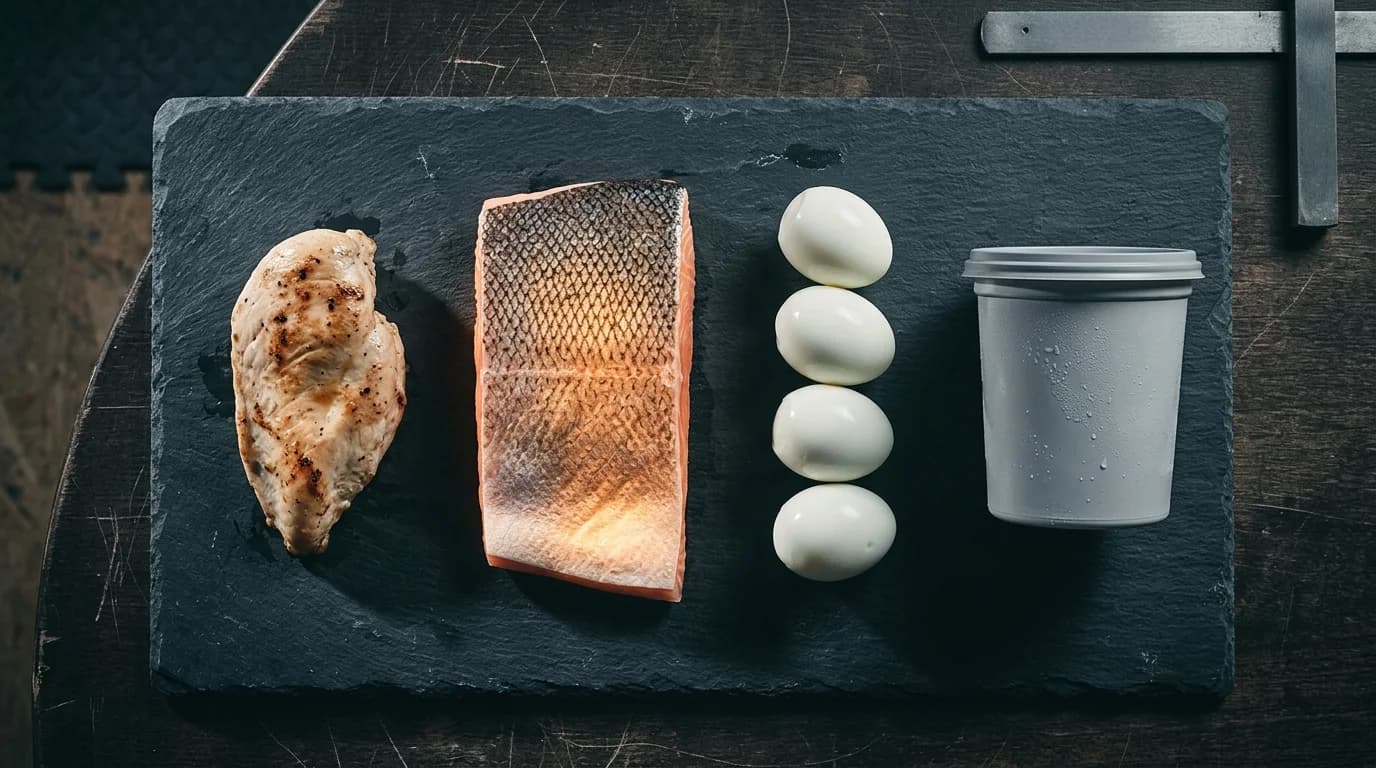
Double the protein because restaurant portions are built around starch and fat, and the protein share of the plate is almost always the smallest one. Adding a second chicken breast or upgrading to the larger steak costs a few hundred calories and buys you forty grams toward a target you would otherwise miss.
Halve the starch because that is where the calories hide without registering as food you enjoyed. And sauce on the side because sauces, dressings and glazes carry oil, cream and sugar in quantities you cannot see once they are poured over the plate. Sauce on the side does not mean no sauce — it means you decide the dose.
Notice what none of the three ask for. No salad-only martyrdom, no interrogating the kitchen, no explaining your program to a table of people who did not ask. Three quiet substitutions, made when you order, and the meal still looks like a meal.
Cuisine by cuisine
Every kitchen has one obvious play, and it is nearly always the dish that was grilled, roasted or steamed rather than fried, battered or finished in cream. Learn the play for the four or five places you actually eat and you never have to think about this again.
- Italian — skip the bread basket, order a grilled secondi with a vegetable side rather than a pasta primo, and if it has to be pasta, tomato-based over cream with grilled chicken added
- Indian — tandoori, tikka and grilled dishes over anything creamed; dal for volume; one plain roti instead of naan; half the rice, or none
- Chinese — steamed rather than crispy or battered, sauce requested separately, extra vegetables ordered as a dish, and egg-fried rice recognised as a carbohydrate course rather than a side
- Mexican — the bowl, not the burrito: double meat, black beans, salsa and leaves, no rice or half, skip the chips and sour cream
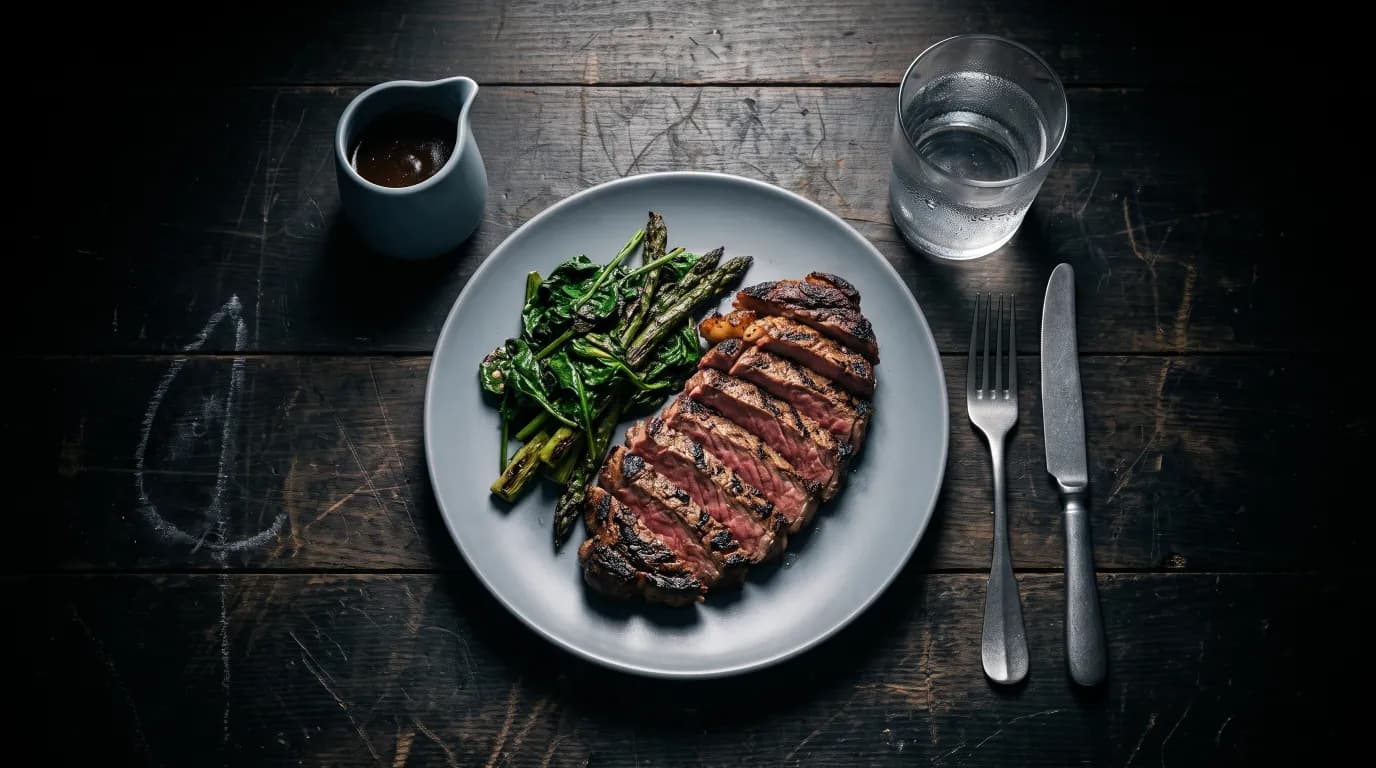
- Pub, sushi and steakhouse — the three easiest on the list. A steak or grilled chicken with vegetables instead of chips; sashimi, edamame and one roll rather than tempura and mayonnaise; a sirloin is nearly free once you decline the butter and the creamed sides
The order of operations at the table
Order first. Groups anchor hard on whatever the first person says, and if that person orders the sharing platter, so does everyone else.
Then eat the protein and the vegetables first. Not as a trick — as arithmetic. You will eat some proportion of what is in front of you, and the order determines which part of the plate that proportion comes from. If you are still hungry after the protein and vegetables are gone, eat the starch. Most of the time you will not be.
Slow the pace at the same time. Put the cutlery down between mouthfuls and stay in the conversation. Fullness signals take time to arrive, and a restaurant portion eaten in eleven minutes will be finished long before any of them do.
“Decide what you are ordering while you are still in the car. Nobody makes a good decision holding a menu at half past eight.”
Drinks, bread and the arithmetic of the evening
A pre-dinner drink, a bread basket and a shared dessert can add up to a substantial share of a day's target before the main course arrives, and none of the three tends to be remembered as a meal.
This is where the no-liquid-calories rule earns its keep. Sparkling water at the table costs nothing, keeps your hands busy, and leaves the calories for food you will actually taste. If the bread arrives before you have decided anything, move the basket to the far end of the table — proximity does more work here than willpower.
Budgeting for it in advance
One restaurant meal a week does not need to be an exception you apologise for. Move the calories rather than pretending they are not happening: keep breakfast and lunch protein-heavy and light on starch, walk to the restaurant if it is walkable, and take the evening as a normal day with a big dinner in it.
What does damage is the aftermath. A restaurant meal is high in sodium, so the scale will very likely jump a pound or two the next morning. That is water, it clears within a couple of days, and reacting to it by cutting calories is the actual mistake.
The other aftermath is psychological, and it costs more. One large dinner is a single high day inside a thirty-day average, which the program absorbs without noticing. Deciding the week is ruined and eating accordingly until Monday is what turns a dinner into a lost week.
Sources
Written by Coach D — the voice of the certified personal trainers behind the SHRED30 system. Educational content, not medical or dietary advice.
Day 1 is free.
Go deeper: the free anatomy nutrition and strength & conditioning study guides teach the science under every article.