3.5 litres: the hydration target, decoded
Every food named in this article is an example, not an instruction — one way a person might choose to meet their targets. Swap anything for foods that fit your own needs, allergies, budget and beliefs. For advice specific to you, talk to a registered dietitian or your physician.
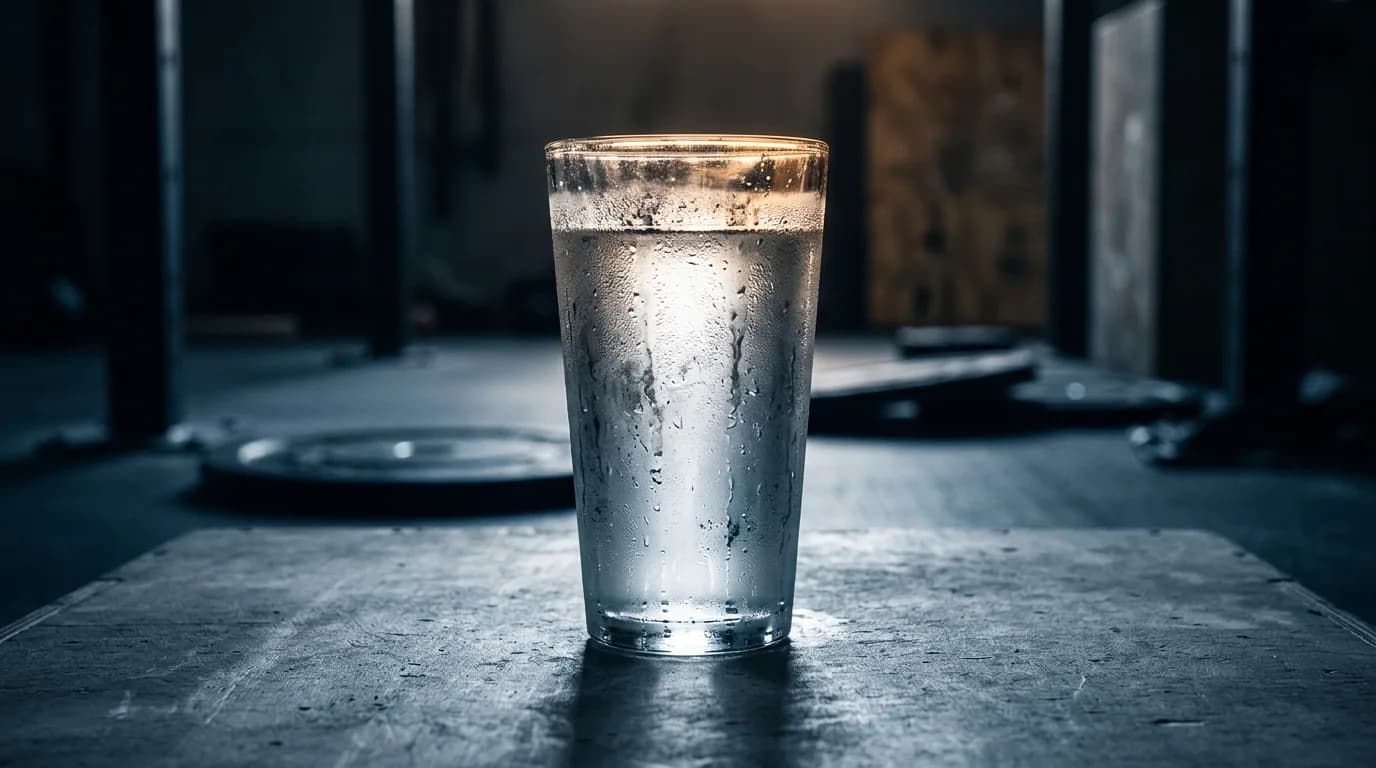
Hydration advice is usually either a meaningless 'drink more water' or an oddly precise eight glasses with no provenance. The program uses 3.5 litres, and that number has a source.
It also has a nuance most people miss, which is the difference between total water and water you drink.
Where the number comes from
The National Academies set adequate intakes for total water at roughly 3.7 litres a day for men and 2.7 litres for women. Crucially, that's total water — including everything in your food and every other drink, which together typically supply around a fifth of it.
So a 3.5 litre drinking target sits at the demanding end for most people, which is deliberate. It's set high because during a cut you're eating less food, and food is one of the places your water was quietly coming from.
Why a cut makes you thirstier
Three reasons stack up in week one. You're eating less total food volume, so less water arrives with meals. You're burning through stored glycogen, which is stored alongside water — that water leaves. And you're training harder and stepping more, so you're losing more through sweat.
Which is why the first few days can feel unexpectedly dry, and why the headache people blame on 'detox' is very often simple under-drinking.
- Less food volume means less water from food
- Glycogen depletion releases stored water, which then leaves
- Higher step counts and training add sweat losses
- Lower sodium from processed food shifts fluid balance in the first week
What counts
Water counts. So do black coffee, tea and zero-calorie drinks — the old claim that caffeine dehydrates you doesn't hold up at habitual intakes, and these drinks contribute net fluid.
What doesn't count is anything with calories in it, and that's a program rule rather than a hydration one. Liquid calories are the cheapest thing to delete from a deficit.
Hitting it without living in the bathroom
- Front-load. Half a litre on waking, before caffeine, is the easiest 500ml of the day
- Use a container you fill a known number of times — three fills of a 1.2 litre bottle, done
- Attach it to existing habits: a glass before every meal, one after every training block
- Taper after about 8pm so hydration doesn't cost you target six
A word on overdoing it
More is not better without limit. Drinking very large volumes very quickly — far beyond the target here — can dilute blood sodium, which is a genuine medical emergency. It's rare, and it's associated with extreme intakes over short periods, not with a well-spread 3.5 litres.
Spread it across the day, use thirst and urine colour as feedback, and if you're on medication that affects fluid balance, ask your clinician what target is right for you.
“Thirst is a lagging indicator. Schedule the water instead of waiting for the signal.”
Sources
Written by Coach D — the voice of the certified personal trainers behind the SHRED30 system. Educational content, not medical or dietary advice.
Day 1 is free.
Go deeper: the free anatomy nutrition and strength & conditioning study guides teach the science under every article.