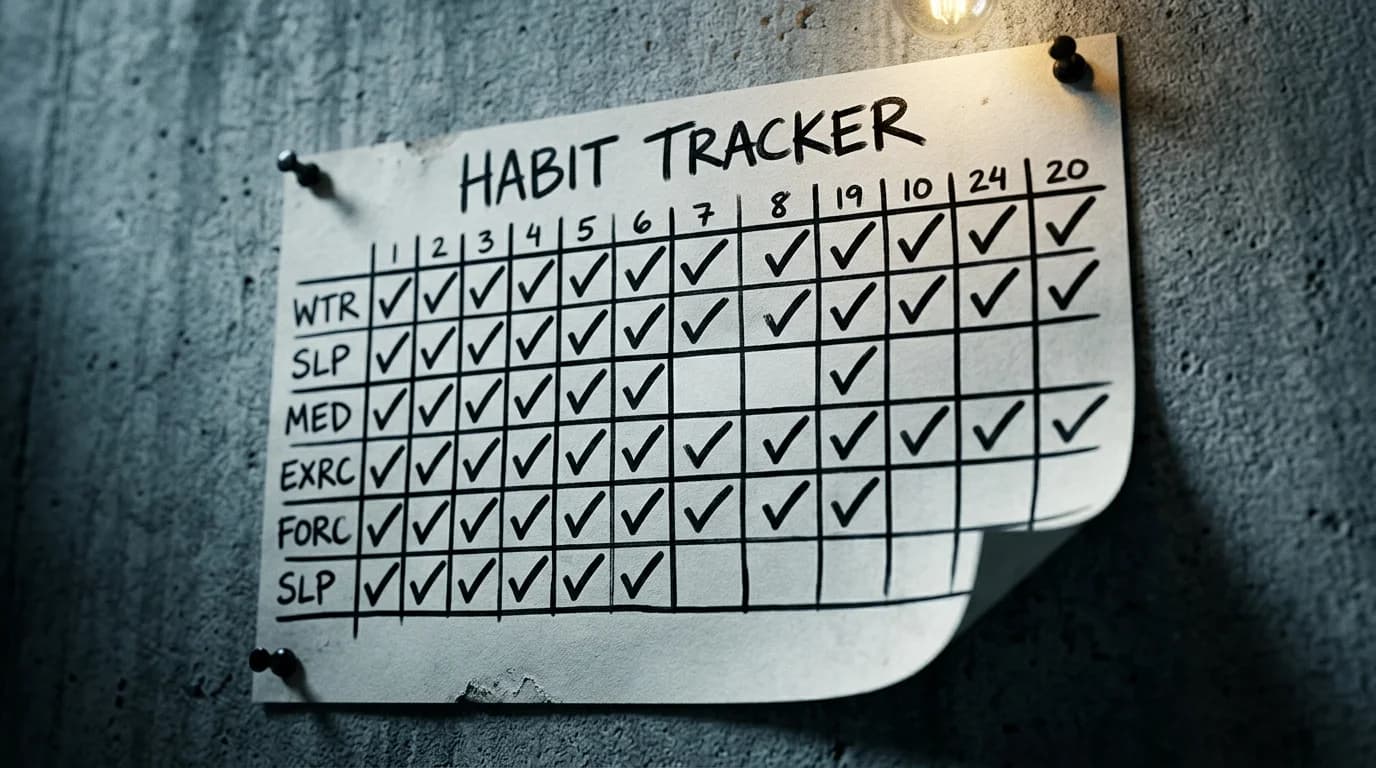
What a streak actually does to your brain
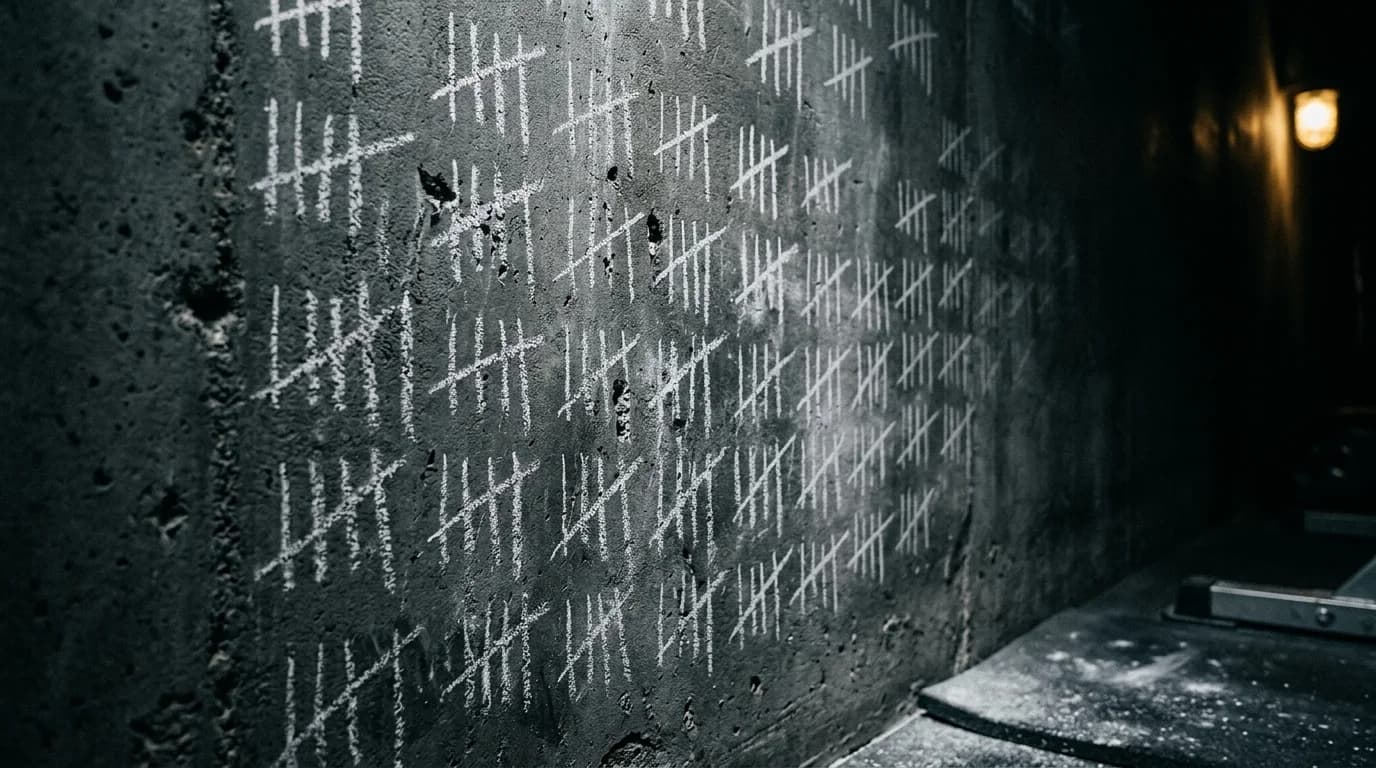
Streaks look like a game mechanic, and in most apps that's exactly what they are. In a 30-day program they're doing something more specific: they're the visible record of the repetitions that turn a decision into a default.
The mechanism is well described, and it's less mystical than the internet's version of it.
How a habit is actually built
A habit is a behaviour that gets triggered by a context rather than by a decision. The loop is a cue, a routine and a reward, and what strengthens it is repetition of the routine in a consistent context — same time, same place, same trigger.
That's why the program fixes the structure so hard. Every day has a written session, a written meal plan and the same six checkboxes. It isn't there to be motivating; it's there to keep the context identical so the repetitions actually stack.
The 21-day myth
The famous three-week figure has no serious evidence behind it. The research that actually measured this found automaticity building over a much longer window on average, with enormous variation between people and between behaviours — simple ones like drinking a glass of water settle fast, complex ones like a full training session take far longer.
So thirty days will not finish the job, and a program that promises it will is selling something. What thirty days does is bank around 120 repetitions of six behaviours, in a fixed context, which is a very large deposit toward a habit that isn't finished.
- Repetition in a consistent context is the active ingredient
- Simple behaviours automate quickly; complex ones take much longer
- Missing one day does not reset the process — the research is clear on this
- Thirty days builds the foundation; the exit plan is what finishes it
What the streak counter is really for
Two jobs. In the first week it substitutes for results, because there aren't any yet worth looking at — the number going up is the only evidence available on day four.
Later, it becomes loss aversion. An eight-day streak is a thing you own and don't want to give back, and that's a meaningfully stronger pull at 9pm than an abstract goal thirty days out.
The trap, and the fix
The trap is treating the streak as the point. A broken streak then reads as a failed program, and people quit over a number that measures consecutive days rather than progress.
Which is why the dashboard shows both a streak and a compliance percentage. The streak is the motivator; the percentage is the truth. When they disagree, believe the percentage.
“The streak is a scoreboard. The repetitions are the actual work.”
Sources
Written by Coach D — the voice of the certified personal trainers behind the SHRED30 system. Educational content, not medical or dietary advice.
Day 1 is free.
Go deeper: the free anatomy nutrition and strength & conditioning study guides teach the science under every article.